Get Healthy!
- Posted January 28, 2026
Cutting Salt In Prepared Foods Can Protect Nations' Heart Health, European Studies Find
You might not notice a pinch of salt missing from your bread, sandwich or pizza, but your body definitely will, according to a pair of new European studies.
Efforts to lower sodium levels in packaged and prepared foods are expected to improve heart health in both France and the U.K., researchers write in the February issue of the journal Hypertension.
Reducing salt in baguettes and other breads will save nearly 1,200 French lives each year, one study projected.
Likewise, the second study found that U.K. salt reduction goals could potentially prevent about 100,000 cases of heart disease and 25,000 strokes over two decades.
In both cases, holding back a little bit of salt could pay big dividends by reducing people’s risk of high blood pressure, researchers said.
“This approach is particularly powerful because it does not rely on individual behavior change, which is often difficult to achieve and sustain. Instead, it creates a healthier food environment by default,” Clémence Grave, lead researcher of the French study, said in a news release. She’s an epidemiologist and public health physician at the French National Public Health Agency.
Sodium causes the body to retain water, which raises blood pressure by increasing the amount of fluid within blood vessels, according to Harvard Medical School.
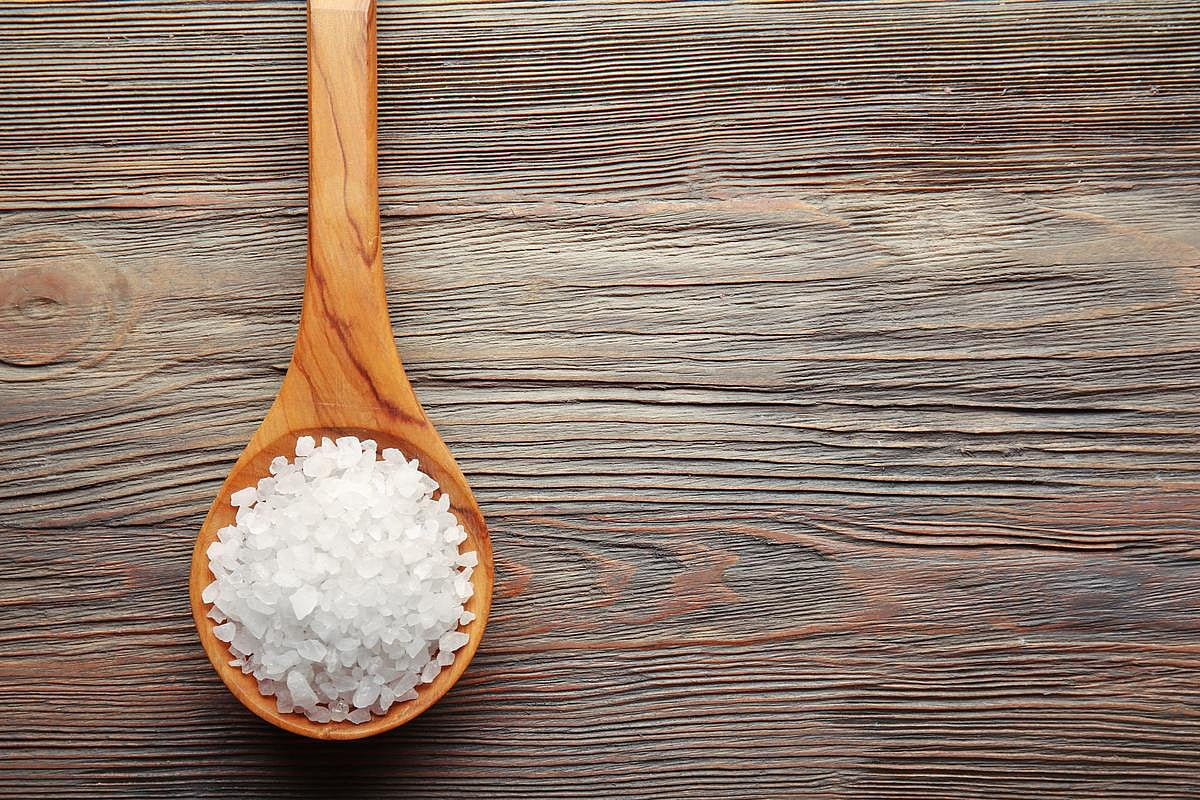
The American Heart Association recommends that adults take in no more than 2,300 mg of sodium per day. That’s equal to about 1 teaspoon of table salt, researchers said in background notes. The AHA’s ideal limit is less than 1,500 mg per day for most adults, especially for those with high blood pressure.
The French study looked into the potential impact of a 2022 voluntary agreement between the government and bread producers to lower salt content.
Bread, especially the baguette, can be high in salt, researchers said. Traditionally, it can contain about 25% of a person’s total daily recommended intake.
By 2023, most breads made in France already met the new sodium standards, lowering people’s daily salt intake by about 350 milligrams, researchers found.
This, in turn, led to an estimated annual decline of about 1,186 heart-related deaths. Hospitalizations for heart disease and stroke also have declined, researchers siad.
“This salt-reduction measure went completely unnoticed by the French population -- no one realized that bread contained less salt,” Grave said. “Our findings show that reformulating food products, even with small, invisible changes, can have a significant impact on public health.”
Similar results also were found in the United Kingdom, which set 2024 targets for reducing salt found in a wide range of foods. These included 84 grocery categories like bread, cheeses, meats and snacks, as well as 24 take-out foods like burgers, curries and pizza.
Fully meeting those sodium reduction targets would have lowered average daily salt intake from 6,100 milligrams to 4,900 milligrams, a nearly 18% drop, researchers for the U.K. study said.
In turn, the U.K. would have prevented about 103,000 cases of heart disease and around 25,000 strokes.
Unfortunately, progress on meeting these targets has stalled, researchers said.
“We know that cardiovascular disease is a leading cause of death in the U.K. -- as it is worldwide -- so any reductions in salt intake and blood pressure could lead to big benefits,” lead investigator Lauren Bandy, a researcher in food and population health at the University of Oxford, said in a news release.
“We also know that the food industry still has a lot of progress to make when it comes to salt reduction, so there’s a lot of room for improvement,” she continued.
“If U.K. food companies had fully met the 2024 salt reduction targets, the resulting drop in salt intake across the population could have prevented tens of thousands of heart attacks and strokes, saved substantially in health costs and significantly improved public health, all without requiring people to change their eating habits,” Bandy said.
More information
Harvard Medical School has more on sodium and blood pressure.
SOURCE: American Heart Association, news release, Jan. 26, 2026


